


Hormone Optimization in Men and Women: What You Need to Know

Updated: Aug 26

Are Hormones Affecting Your Energy, Weight, Sleep, or Mood?
Do you feel tired even after a full night's sleep? Have you gained weight despite eating healthy and exercising? Are you struggling with brain fog, low motivation, poor sleep, mood changes, or a declining sex drive?
If so, your hormones may be playing a bigger role than you realize.
At Thrive Chiropractic & Functional Health in Branson, MO, we help men and women identify and address hormone imbalances through a root-cause, functional medicine approach. While hormone changes are a normal part of aging, persistent symptoms are often signs that your body needs support.
This guide explains what hormone optimization is, common symptoms of imbalance, and how functional medicine can help you feel your best.
What Is Hormone Optimization?
Hormone optimization is the process of identifying hormonal imbalances and creating a personalized plan to restore healthier function throughout the body.
Many people assume hormone optimization simply means taking hormones. In reality, successful hormone care involves understanding how multiple systems interact.
Hormones work together like an orchestra. When one hormone becomes imbalanced, it can affect many others.
Some of the most important hormones involved in overall health include:
Estrogen
Progesterone
Testosterone
Thyroid hormones
Cortisol
Insulin
DHEA
When these hormones are functioning properly, they help regulate:
Energy production
Metabolism
Weight management
Sleep quality
Mood and emotional health
Mental clarity
Muscle mass
Sexual health
Healthy aging
Rather than focusing on a single hormone, functional medicine practitioners evaluate how these systems work together.
Common Signs of Hormone Imbalance in Women
Women often experience hormone fluctuations during perimenopause, menopause, and other life stages. However, symptoms can begin years before menopause and are often overlooked.
Common symptoms include:
Unexplained Weight Gain
Many women notice increased abdominal weight despite maintaining the same diet and exercise habits.
Fatigue
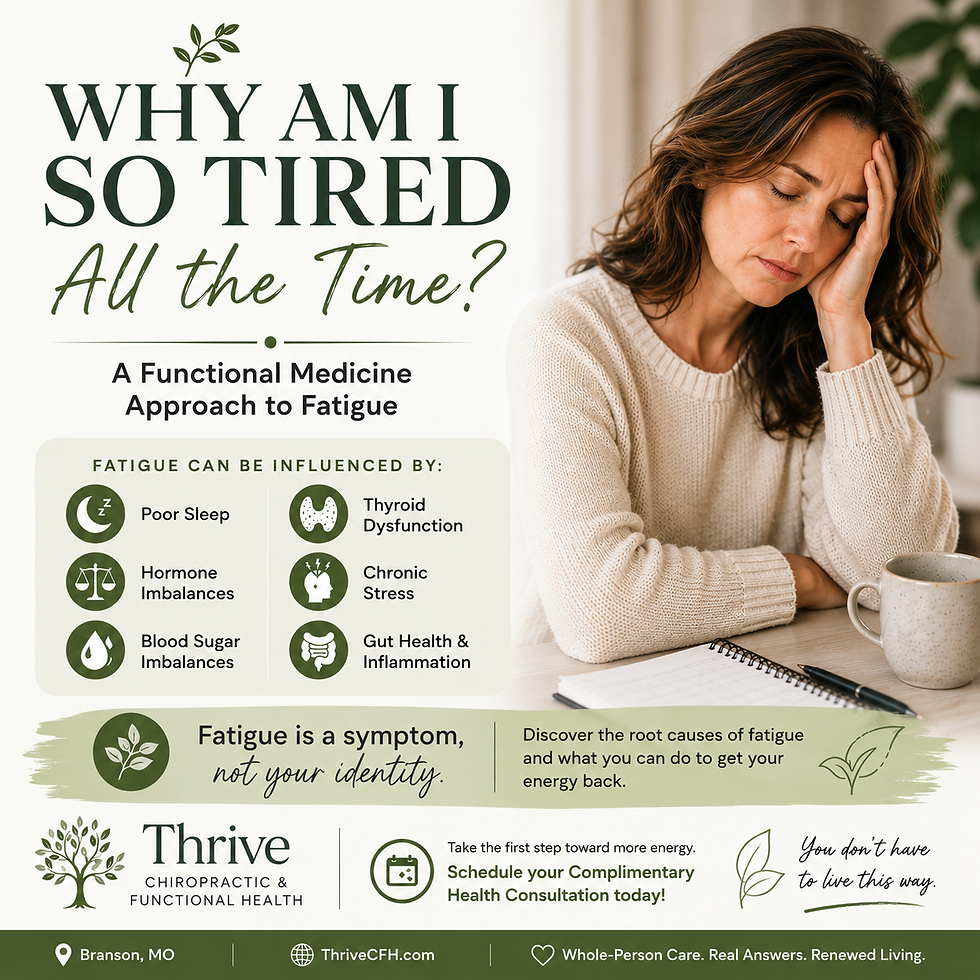
Feeling exhausted throughout the day can be associated with changes in thyroid function, cortisol levels, estrogen, progesterone, or insulin regulation.
Brain Fog
Difficulty concentrating, forgetfulness, and mental fatigue are frequently reported by women experiencing hormonal changes.
Sleep Problems
Hormonal shifts can contribute to:
Difficulty falling asleep
Frequent nighttime waking
Night sweats
Poor sleep quality
Mood Changes
Hormone imbalances may contribute to:
Anxiety
Irritability
Mood swings
Increased stress sensitivity
Low Libido
Changes in estrogen, progesterone, and testosterone can all impact sexual health and desire.
Common Signs of Hormone Imbalance in Men
Hormonal health is not just a women's issue.
Many men experience changes in hormone production that affect energy, performance, and overall well-being.
Common symptoms include:
Low Energy
Persistent fatigue is one of the most common reasons men seek hormone evaluation.
Increased Belly Fat
Hormonal changes can affect metabolism, insulin sensitivity, and body composition.
Reduced Muscle Mass
Declining testosterone levels may contribute to decreased strength and slower recovery from exercise.
Brain Fog and Reduced Motivation
Many men describe feeling less focused, less driven, and mentally fatigued.
Lower Sex Drive
Changes in testosterone and other hormones can influence libido and sexual performance.
Poor Recovery
Difficulty recovering from workouts or daily stressors can sometimes indicate underlying hormonal dysfunction.
Why Your Labs May Be "Normal" But You Still Feel Bad
One of the most common frustrations we hear is:
"My doctor said my labs are normal, but I still don't feel like myself."
This situation is more common than many people realize.
Traditional laboratory reference ranges are designed to identify disease. Functional medicine often evaluates whether hormone levels are optimal for an individual's health and symptoms.
A person may fall within a laboratory's normal range while still experiencing symptoms such as:
Fatigue
Weight gain
Sleep disturbances
Brain fog
Mood changes
Low libido
This is why a comprehensive evaluation often looks beyond a single lab value and considers:
Symptoms
Medical history
Lifestyle factors
Stress levels
Nutrition
Metabolic health
Thyroid function
Hormone interactions
It also worth noting that hormones can be tested in blood (serum), saliva and urine. Each test is looking at them a little bit differently and measures them in different ways. It is really important to match the test with the need.
Root Causes of Hormone Imbalances
Hormonal dysfunction rarely occurs in isolation.
Several factors can contribute to symptoms:
Chronic Stress
Long-term stress can disrupt cortisol production and affect thyroid hormones, sex hormones, and blood sugar regulation.
Poor Sleep
Sleep is essential for hormone production and recovery. Even mild sleep deprivation can negatively impact hormone balance.
Insulin Resistance
Blood sugar dysfunction is one of the most overlooked contributors to weight gain and hormone-related symptoms.
Thyroid Dysfunction
The thyroid influences metabolism, energy production, body temperature, and numerous other functions.
Inflammation
Chronic inflammation can interfere with healthy hormone signaling throughout the body.
Nutrient Deficiencies
The body requires specific nutrients to produce, convert, and regulate hormones effectively.
Natural Ways to Support Hormone Health
While every individual requires a personalized approach, several lifestyle habits support healthy hormone function.
Prioritize Sleep
Aim for consistent, high-quality sleep whenever possible. Sleep is one of the most powerful tools for hormone regulation.
Strength Train Regularly
Building and maintaining muscle supports metabolism, insulin sensitivity, and healthy aging.
Focus on Protein
Protein helps support blood sugar balance, muscle maintenance, and hormone production.
Manage Stress
Activities such as walking, prayer, meditation, breathwork, and time outdoors can support healthier cortisol regulation.
Address Underlying Health Issues
Persistent symptoms deserve investigation rather than dismissal.
Frequently Asked Questions About Hormone Optimization
What is hormone optimization?
Hormone optimization is a personalized approach to improving hormone balance by identifying underlying causes of symptoms and supporting healthy hormone function.
Can hormone imbalances cause weight gain?
Yes. Hormonal changes can affect metabolism, appetite regulation, insulin sensitivity, and fat storage.
Do men need hormone testing?
Absolutely. Men can experience hormonal changes that affect energy, muscle mass, mood, metabolism, and sexual health.
Can lifestyle changes improve hormones?
In many cases, yes. Sleep, nutrition, exercise, stress management, and metabolic health all significantly influence hormone function.
Is hormone optimization only for menopause?
No. Hormone imbalances can occur in both men and women at various stages of life.
Hormone Optimization in Branson, Missouri and Throughout the United States
If you're experiencing fatigue, unexplained weight gain, thyroid symptoms, poor sleep, low libido, brain fog, or other signs of hormone imbalance, a comprehensive functional medicine evaluation may help uncover the root cause.
At Thrive Chiropractic & Functional Health we take a personalized approach to hormone health by evaluating the entire picture—not just a single lab result. Whether you are in Branson, MO or outside of our area, we can help. We have remote telehealth options available.
Our goal is to help patients improve energy, metabolism, mental clarity, healthy aging, and overall wellness through evidence-informed functional medicine strategies.
Whether you're dealing with menopause symptoms, low testosterone concerns, thyroid dysfunction, insulin resistance, or chronic fatigue, understanding your hormones is often an important step toward feeling like yourself again.
Schedule a Consultation
Ready to learn whether hormone imbalances could be contributing to your symptoms?
Thrive Chiropractic & Functional Health serves patients in the Branson, MO are and Nationwide via Telehealth options.


Comments